
Unravelling the mystic emblems at the heart of The Knights of Aster.
Symbols and symbolism are a fascinating subject—one I’ll no doubt dive deeper into one day, if only for my own gratification. But for this blog, I’ll focus on three of the most prominent symbols that lie at the heart of Aster’s lore.
In every world, there are symbols that whisper truths older than memory. On Aster, three symbols do more than whisper—they shape the very fabric of existence, transcending language to carry their meaning across generations.
Ancient—Eternal—Dangerous
they are …
The Ankh
The Triquetra
The Triple Moon
In writing Augustine, and throughout the universe of The Animus Mundi Legacy, I use a blend of fact and fiction to turn myth into reality—to turn folktales into history and to weave legend into destiny.
The symbols of Aster are no different—each of them already recognisable—but neither meaning is set in stone.
The Triquetra: The Eternal Knot of Mind, Body, and Soul
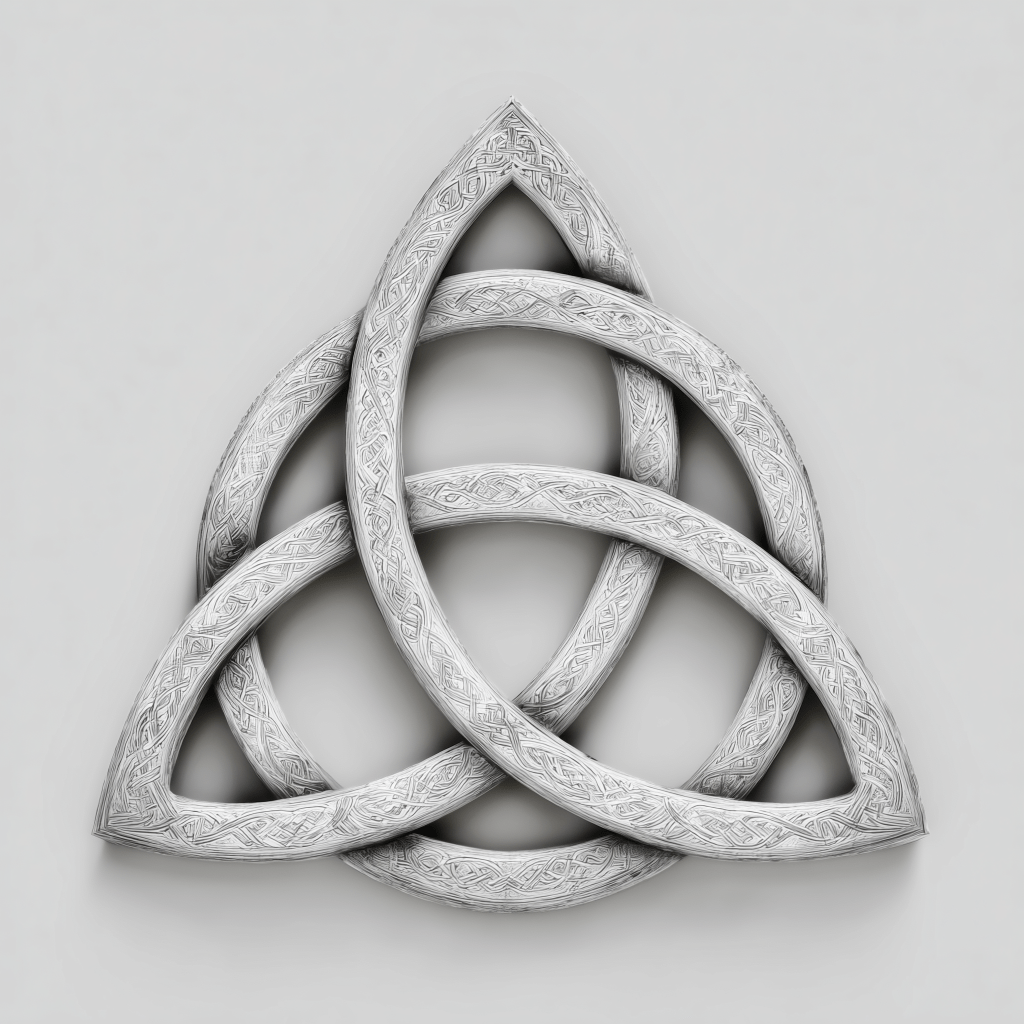
In reality, the Triquetra—or ‘triple knot’—dates back to pre-Celtic times. On Aster, it is the most ancient and sacred symbol—origin unknown.
Its woven loops signify no beginnings and no end—a symbol of the people representing the interconnectedness of life, the unity between realms, and how mortals, immortals, and those who have entered the afterlife are inextricably bound.
In its simple form, it is a symbol of the mind, body, and soul.
On Aster, the Triquetra is not just a sacred emblem, but a force to be reckoned with—etched onto weapons, inked onto skin, and feared in prophecy. It amplifies the energy that flows through Aster and can be used both for protection and as a weapon.
The Ankh: The Cross of Life and Immortality
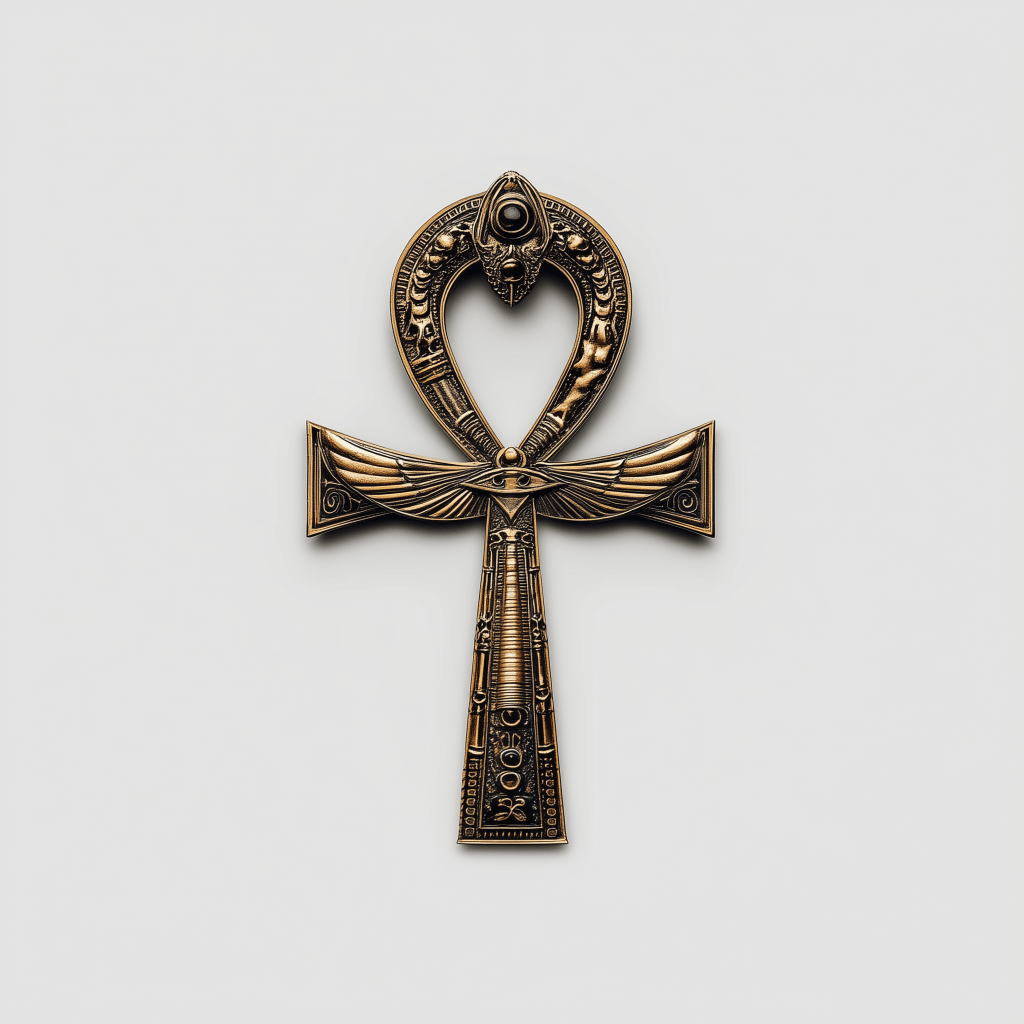
Today, the Ankh is recognised as an Egyptian hieroglyph. Known as the ‘key of life’, it represents both earthly existence and the promise of eternal life or immortality. Not so different in Asterian lore, except its origin lies in the very foundations of Neskylia, and the Goddess who raised the city from ash and bone.
On Aster, the Ankh embodies reincarnation: the never-ending circle of life, the essence that remains tethered to the universe for all eternity.
In Augustine, we see this repeated many times over: with Rae, with Saoirse, and with John. But the reincarnation trope is not limited to these three characters. If you have read Augustine, then you’ll know of whom I speak, but there is another hinted at who we will see in more depth as the series progresses.
The Triple Moon: Past, Present, and Future

Traditionally, the Triple Moon represents the three phases of a woman’s life:
The waxing crescent—a maiden (youth, innocence, new beginnings)
The full moon—a mother (fertility, stability, power)
The waning crescent—a crone (wisdom, maturity, endings)
In this respect, it can also represent the past, present, and future.
In Asterian lore, the Triple Moon is a combination of all the above.
The two series that run concurrently under the umbrella of The Animus Mundi Legacy—The Knights of Aster and the Rise of the Nephilim—focus heavily on strong female characters, with each of them having their own role to play in the universe. Each is driven by their past, guided by their present, and propelled toward a destiny written long before they took their first breath.
Why These Symbols Matter on Aster and in The Animus Mundi Legacy as a Whole
Together, the Triquetra, Ankh, and Triple Moon form a sacred triad. They are the key to protecting Aster—a warning to travellers from other realms—that Aster is not for the taking.
Individually, they offer much more than that, and as the symbols of Aster’s origin, they were carried to Earth by misguided, but well-meaning, pilgrims and scattered across cultures to be twisted into religion and myth.
But what happens when a symbol becomes a weapon? A curse?
That is the question at the heart of both The Knights of Aster and the Rise of the Nephilim, and a shadow that will follow them through to the end.
To start at the beginning, you can read Augustine here—but keep these words in mind: is the beginning really the beginning … or is it the end?
 EMERSON LAINE
Leave a comment